


Ausmed is a Trusted Information Partner of Healthdirect Australia. Verify here.


© 2026 Ausmed Pty Ltd (ABN: 33 107 354 441)
Registration renews on an audit, the audit runs on evidence about your workforce, and that evidence is assembled by people who have other jobs. That is a board-level dependency held together informally.
Book a walkthrough
A chief executive of a disability provider is answerable for the conduct of every worker in every house on every shift, including the ones at three in the morning in a town four hours away. That accountability scales by having a system that can tell you the truth about your workforce without anyone preparing an answer first.
The practical test is not whether you are compliant. It is how long it takes you to find out you're not.
Each of these arrives on your desk rather than somebody else’s, and each one is downstream of the same thing: capability evidence that is real but not assembled.

A finding is not merely a documentation exercise. Support conditions, a shortened registration period or a revocation all land on you, and all of them affect your ability to do business.

Weeks of senior time twice a registration cycle, spent assembling evidence that already exists, is a real cost that never appears as a line item.

Taking on houses or a whole provider means inheriting a workforce whose capability evidence you have not seen, on a timeline set by the deal rather than by diligence.

When a matter reaches a tribunal or a coronial inquiry, the question is documentary. What was required, what was provided, when, and who signed it.

A quarterly pack built from four exports and a spreadsheet is a pack nobody fully trusts, including the people who built it.

The informal arrangements that work at eight houses stop working somewhere around twenty-five, usually without anyone noticing at the time.
Capability status by site, by registration group and over time, produced from the records themselves rather than from a request to four managers.
Audit preparedness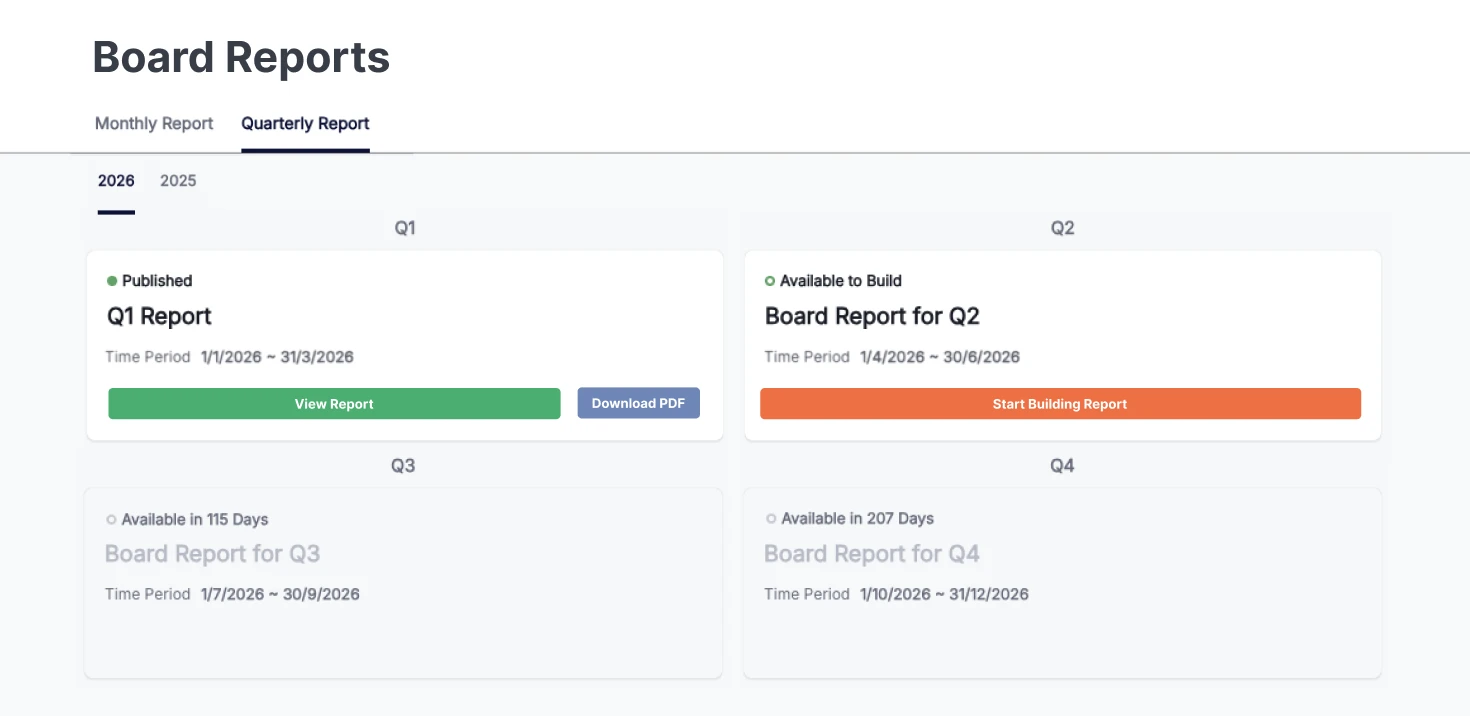
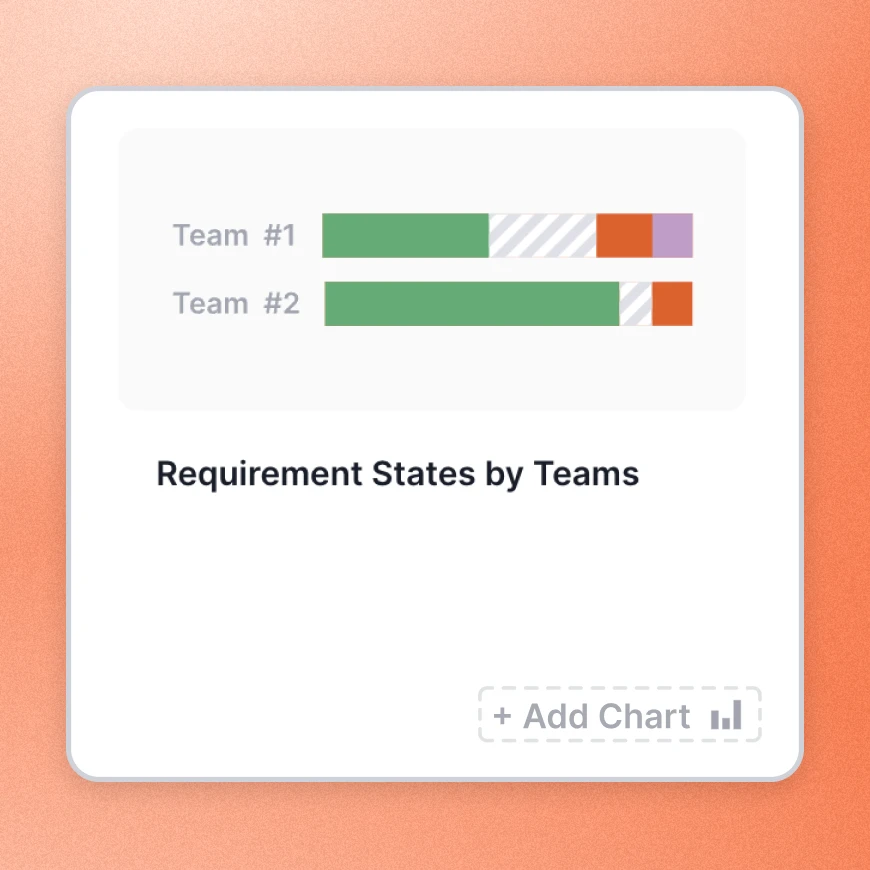
Comparison across houses, regions and registration groups turns a single organisational number into something you can act on. An organisation at 94 per cent with one house at 60 is a different problem from an organisation aggregate of at 94, and the aggregate hides your risk profile.
The work of an audit is not the audit itself. It is the fortnight in front of it, spent by people whose actual job is running services. Evidence assembled continuously in Ausmed turns that fortnight into a request and a file.
That is the saving to put in front of your board: not a penalty avoided, but senior operational time returned twice a cycle.
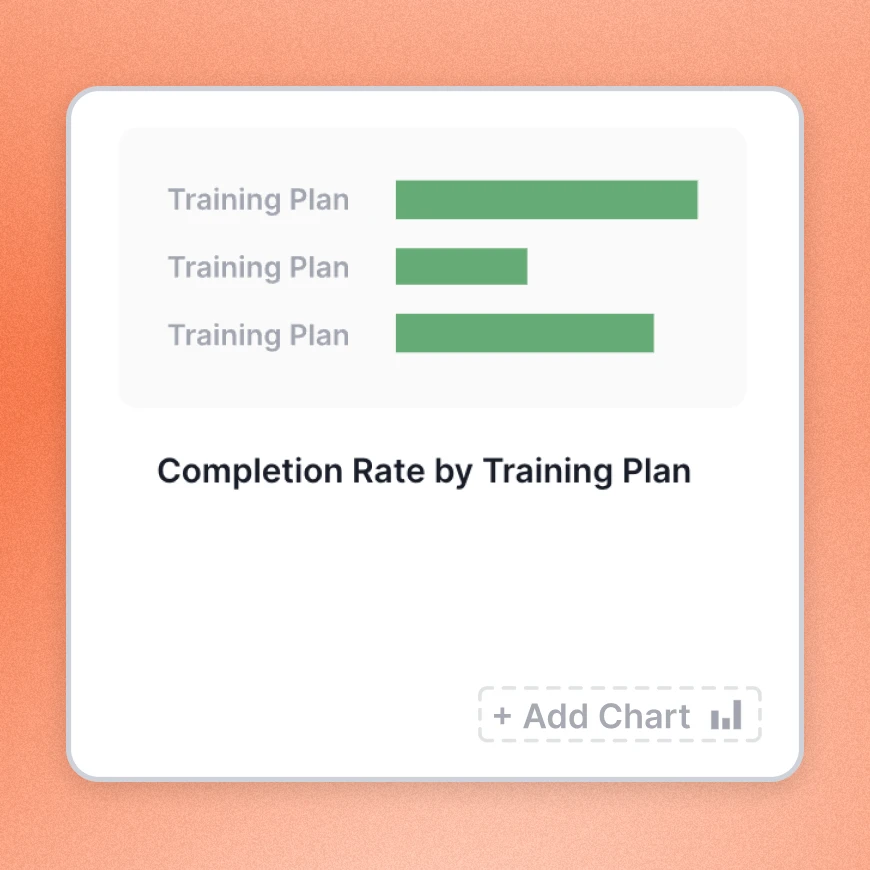
When you acquire houses or a provider, the workforce arrives before the evidence does. Bringing that workforce onto one system gives you a baseline: who is trained, who is assessed, what is current and what is not, across the part of the organisation you have just become responsible for.
An organisation that can retrieve these records is in a different position from one that has to reconstruct them, and the difference is decided years before the question is asked.
Evidence assembled as you go, so the request is an export rather than a project.
Audit preparednessBring your last audit outcome and your current site list. We will walk through what you would be able to produce today, how long it would take, and which part of it is currently held by one person.
Because the exposure is not training delivery, it is evidence. Most providers can show that training happened. Fewer can show that it was the right training for that participant, that it was assessed, and that it was current on the day the support was delivered.
Nothing on its own. It changes how long it takes to demonstrate what you already do, and how much senior time that costs. Where an outcome improves it is usually because a gap became visible early enough to close.
The acquired workforce comes onto the same requirement structure and the gaps become visible as a list rather than as a surprise.
In practice it is shared. Quality and Safeguarding owns the standard, Learning and Development owns the capability, and Human Resources owns the employment record. The executive interest is that the three agree with each other.
Ausmed is a Trusted Information Partner of Healthdirect Australia. Verify here.