Basic Life Support (Paediatric)
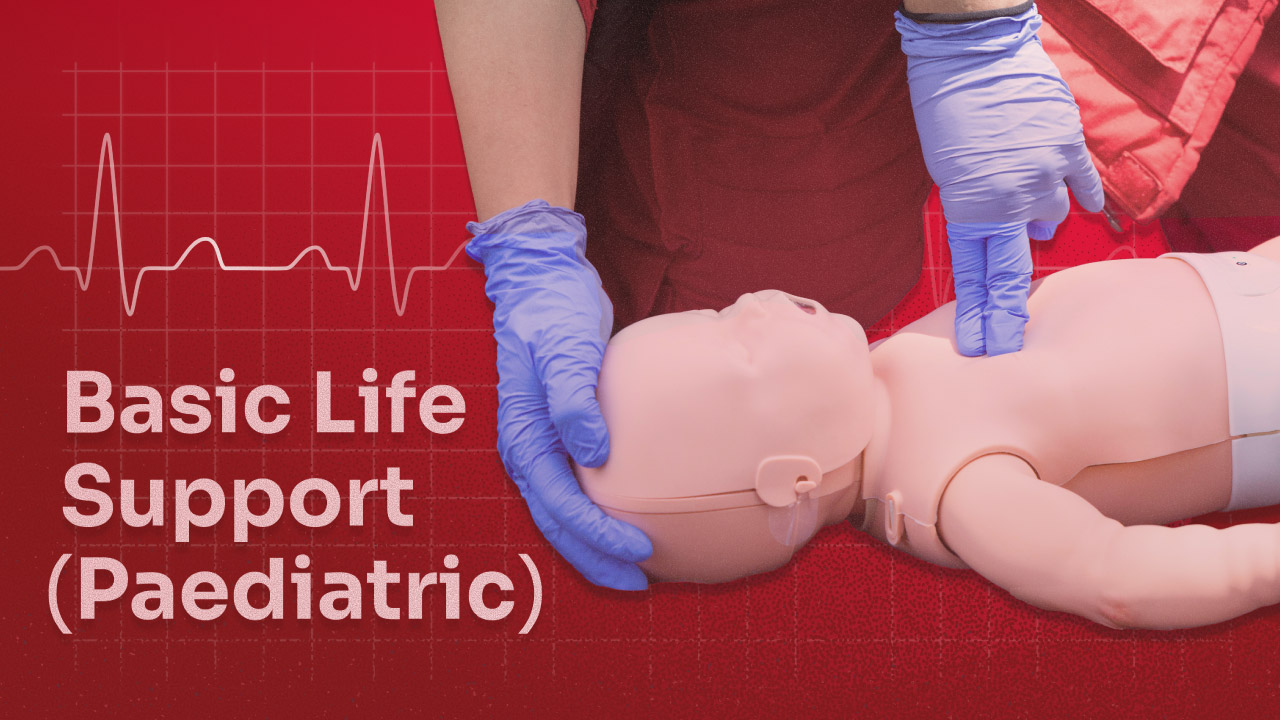
Paediatric cardiorespiratory deterioration often develops gradually and presents differently from adult cardiac arrest. In infants and children, early signs of deterioration may be subtle and easily missed, increasing the risk of progression to respiratory or cardiac arrest if not recognised and managed promptly.
This Paediatric Basic Life Support (PBLS) Training Module focuses on early recognition and initial response to deterioration in infants and children, exploring key differences in paediatric anatomy and physiology, early warning signs and application of the DRSABCD algorithm in order to support timely, effective intervention and help prevent further deterioration.
Content
What you'll learn:
Recognise early signs of paediatric respiratory and circulatory deterioration and understand how these differ from adult presentations.
Explain the key differences in paediatric anatomy and physiology that influence the presentation and early recognition of deterioration compared with adults.
Understand the principles of the paediatric DRSABCD algorithm and the key physiological considerations that guide PBLS.
Identify when CPR should be stopped and outline the principles of paediatric recovery positioning and immediate post-resuscitation care.
Who it's for:
This training module is intended for registered nurses and other healthcare professionals working in acute, emergency or critical care settings who aim to enhance their knowledge and understanding of paediatric basic life support principles to improve recognition, early intervention and outcomes for infants and children experiencing cardiorespiratory arrest or deterioration.
Why it's needed:
Paediatric cardiorespiratory deterioration often develops gradually and differs in cause, progression and resuscitation priorities from adult arrest. Early signs are frequently under-recognised, which can delay or result in inappropriate paediatric basic life support.
Many healthcare professionals are unfamiliar with the different epidemiology and pathophysiology of paediatric arrest, as well as the differences in PBLS algorithms. Therefore, this module aims to enhance healthcare professionals’ knowledge of paediatric basic life support, focusing on early recognition, timely decision-making, and appropriate interventions to support safer care and better outcomes for infants and children.
Purpose:
The purpose of this training module is to equip healthcare professionals with the knowledge needed to understand and apply the principles of paediatric basic life support, enabling timely recognition, assessment and management of cardiorespiratory arrest and deterioration in infants and children to improve patient outcomes.
Topics
Assign mandatory training and keep all your records in-one-place.
Find out more

Recommended resources