Advanced Life Support (Paediatric)
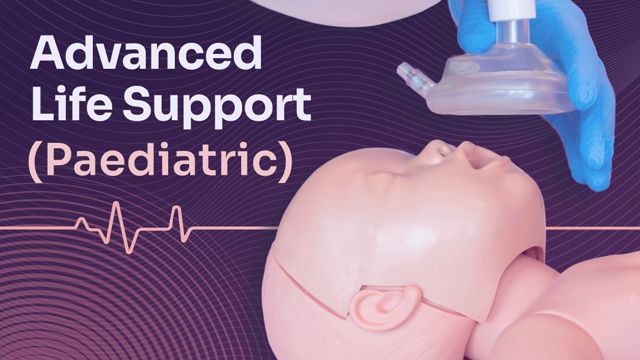
Paediatric cardiorespiratory arrest often develops differently from arrest in adults, usually resulting from progressive respiratory or circulatory failure rather than a primary cardiac event. The initial rhythm is most commonly asystole or pulseless electrical activity, and because children can deteriorate and desaturate quickly, early recognition and timely, coordinated intervention are essential to improving outcomes.
This Advanced Life Support (Paediatric) Training Module focuses on the advanced resuscitation of infants and children in cardiorespiratory arrest, covering the paediatric DRSABCD algorithm, key airway differences, rhythm recognition, the shockable and non-shockable drug pathways, reversible causes and post-resuscitation care.
Content
What you'll learn:
Explain the physiological principles of the paediatric DRSABCD algorithm and the critical differences between paediatrics and adults in airway management and ventilation techniques.
Analyse the significance of rhythm recognition in paediatric cardiac arrest, distinguishing between shockable and non-shockable rhythms.
Describe the paediatric drug management protocol within both the shockable and non-shockable Advanced Life Support pathways.
Explain the critical importance of identifying and managing the reversible causes of cardiac arrest.
Describe the essential components of post-resuscitation care and the goals of Targeted Temperature Management (TTM) for the best possible neurological outcome.
Who it's for:
This module is intended for registered nurses and other healthcare professionals working in acute, emergency or critical care settings, aiming to enhance their knowledge and understanding of Advanced Life Support (ALS) principles in order to improve recognition, timely intervention and outcomes for patients experiencing cardiac arrest or life-threatening deterioration.
Why it's needed:
Paediatric cardiorespiratory arrest often occurs as a result of respiratory or circulatory failure rather than a primary cardiac event. Respiratory arrest may occur on its own, but if not recognised and treated promptly, it can rapidly progress to cardiac arrest. The initial cardiac rhythm in paediatric arrest is most commonly asystole or pulseless electrical activity (PEA), whereas ventricular fibrillation (VT) or pulseless ventricular tachycardia (pulseless VT) is less frequent and usually associated with conditions such as congenital heart disease, cardioactive medication poisoning or ion channelopathies.
Early recognition and timely, appropriate interventions are critical. However, many healthcare professionals are unfamiliar with the distinct epidemiology, pathophysiology and resuscitation priorities in paediatric ALS. This knowledge gap can delay critical interventions.
Therefore, this module aims to enhance healthcare professionals’ knowledge of paediatric advanced life support, focusing on early recognition of deterioration, rapid assessment, and application of advanced resuscitation interventions to improve outcomes for infants and children experiencing cardiorespiratory arrest.
Topics
Assign mandatory training and keep all your records in-one-place.
Find out more

Recommended resources