Pressure Injuries
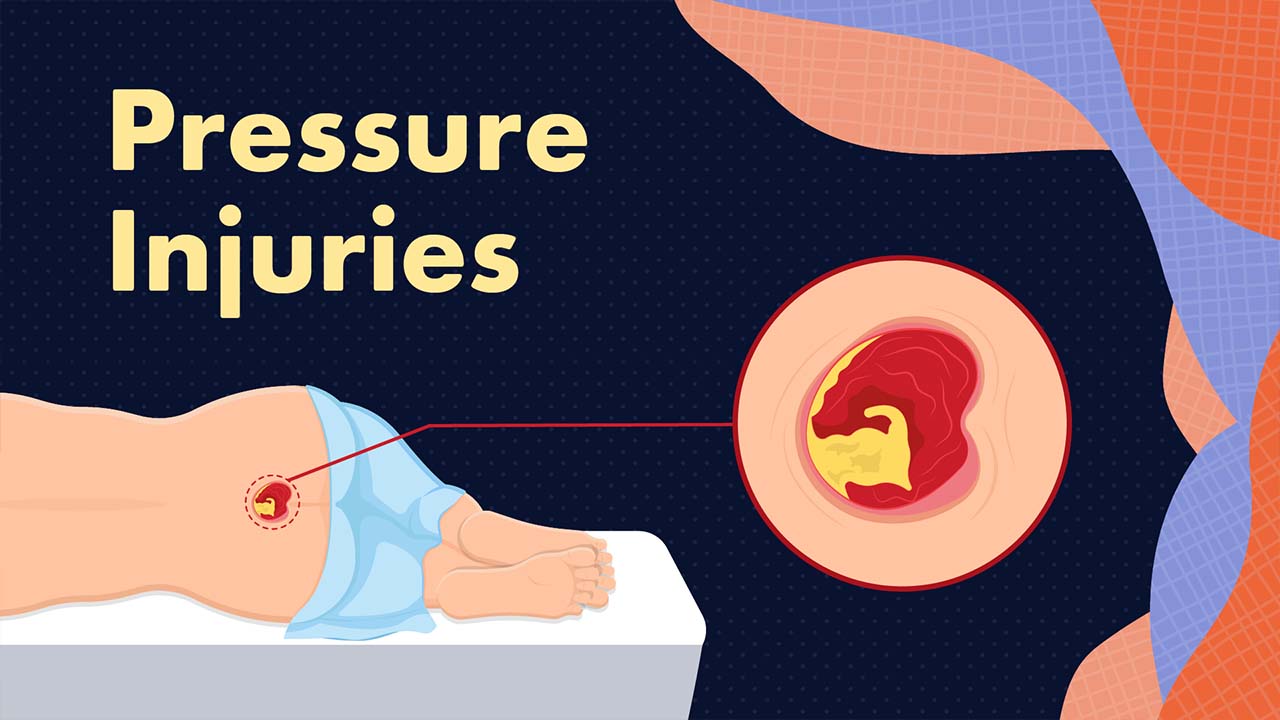
Pressure injuries are all too common wounds encountered across all Australian healthcare settings, yet they’re entirely preventable.
This Ausmed Course provides healthcare professionals with the knowledge and understanding to prevent and manage pressure injuries of patients in their care. Guided by current evidence and best-practice recommendations, learners will enhance their skills to improve the wound outcomes of those living with pressure injuries.
Content
What you'll learn:
Analyse the stages of pressure injuries, demonstrating understanding of tissue damage pathophysiology.
Accurately and promptly identify the applicable stage of a pressure injury when assessing patients.
Implement best-practice strategies for preventing pressure injuries when caring for patients at risk.
Confidently select appropriate equipment and dressings to successfully manage a pressure injury and avoid placing a patient at further risk.
Appropriately assess and document the stages of a pressure injury to allow for best-practice management and monitoring to occur.
Who it's for:
Nurses and other healthcare professionals working in various settings wherein they are caring for persons who are either at risk of or have developed a pressure injury.
Why it's needed:
Despite being recognised as largely preventable, pressure injuries are an unfortunately persistent and prevalent challenge within the healthcare sector. They can be debilitating and even life-threatening if not managed appropriately. Pressure injuries can lead to extended hospitalisation, reduced quality of life and increased psychological distress for the person.
Additionally, despite the presence of both national and international clinical practice guidelines on the prevention and management of pressure injuries, reported incidence and prevalence rates in Australia and overseas remain high. In 2020, the estimated cost of pressure injuries in Australia reached $9.11 billion, of which treatment costs accounted for $3.59 billion.
The seriousness of these wounds is underpinned by the fact that pressure injury prevalence is a key indicator of the quality of care provided in various healthcare organisations, as reflected in Standard 5 of the National Safety and Quality Health Service (NSQHS) Standards, ‘Comprehensive Care’.
Education on the practical management and prevention of pressure injuries is therefore essential in assisting healthcare professionals to improve clinical outcomes, while also combatting high costs and incidence rates.
Purpose:
To equip healthcare professionals with up-to-date knowledge and enhanced skills to assist in the prevention and management of pressure injuries experienced by persons, in accordance with Standard 5 of the National Safety and Quality Health Service (NSQHS) Standards, ‘Comprehensive Care’.
Topics
Assign mandatory training and keep all your records in-one-place.
Find out more

Recommended resources